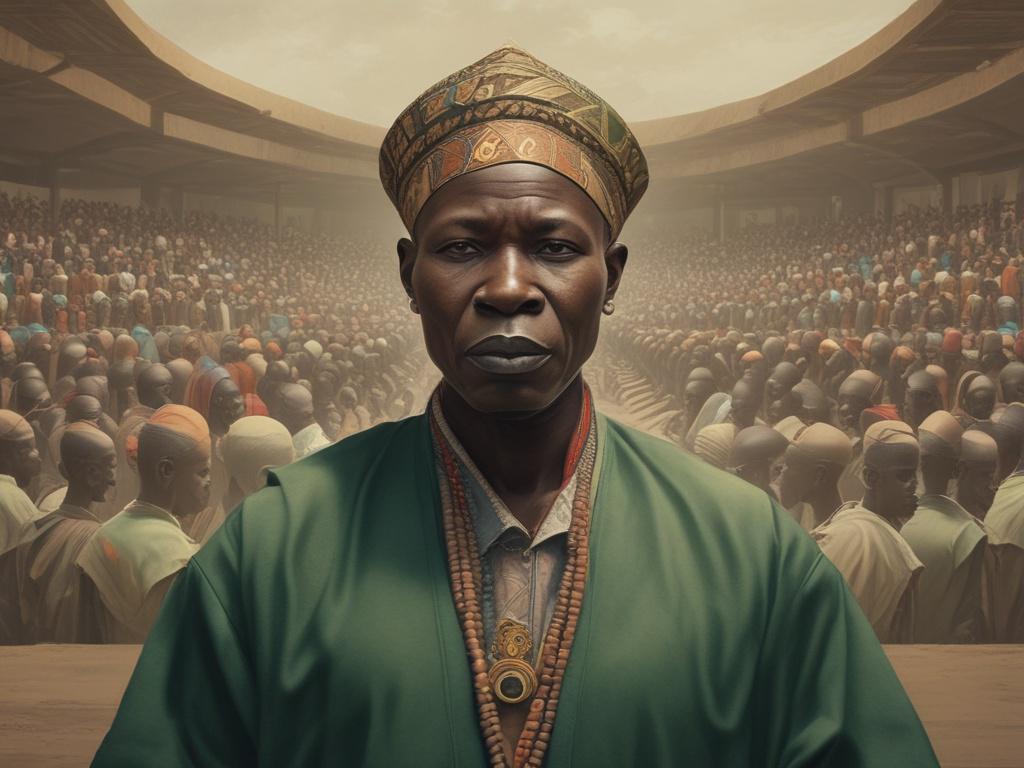
Across Africa, the concept of democracy often clashes with a harsh reality: elections that should empower citizens instead serve as tools of authoritarian control. From Uganda to Nigeria, the promise of representation has frequently devolved into a painful struggle for political freedom. Citizens observe as powerful leaders manipulate electoral processes, suppress dissent, and undermine the very institutions meant to uphold democratic ideals. This leads to disillusionment, as many question whether their votes matter in a system that appears designed to favor the few rather than reflect the will of the many.
In this post, we delve into the intricate dynamics of democracy and authoritarianism across the continent. We examine the paradox of representation in countries like Uganda, Zimbabwe, and Nigeria, where elections often mask deeper issues of power and control. Furthermore, we spotlight the vital role of African youth in the push for genuine representation and accountability. As they challenge the status quo, they illuminate a path toward a more inclusive and democratic future, driving the conversation around what true representation should look like in Africa.
The illusion of democracy in Africa: A closer look at authoritarianism
Across Africa, the illusion of democracy often masks the stark reality of authoritarianism. While many nations celebrate the existence of electoral processes, the outcomes frequently betray the fundamental principles of true representation. Governments manipulate elections through a range of tactics, including voter suppression, media censorship, and intimidation of opposition parties. This manipulation transforms what should be a democratic process into a mere performance, where results are predetermined, rendering the voices of the people almost irrelevant. In countries like Uganda and Zimbabwe, long-standing leaders have employed these tactics to maintain their grip on power, raising concerns about the genuine commitment of these governments to democratic ideals.
The facade of democracy in Africa also breeds widespread disillusionment among the populace. Citizens who once fought for independence and envisioned a future of freedom find themselves entangled in systems that perpetuate their disenfranchisement. In Nigeria, for instance, the persistent reports of election rigging and corruption only serve to deepen the public's skepticism about the electoral process. As governments prioritize consolidation of power over genuine representation, they risk alienating the very people they claim to serve. This paradox calls into question the effectiveness of democratic structures in Africa, highlighting the urgent need for a pervasive transformation that ensures the electorate holds the true power to influence political decisions.
Case studies of divergence: Uganda, Zimbabwe, and Nigeria
In Uganda, the reality of democracy contrasts sharply with the ideals it purports to uphold. President Yoweri Museveni's tenure—now spanning over three decades—epitomizes the struggle for authentic representation. His administration has faced numerous allegations of election rigging, with the 2021 elections marked by widespread manipulation and suppression of dissent. Despite the constitutional limits on presidential terms, Museveni has maintained power using state apparatus to quash opposition and control the narrative through a repressive media environment. As Ugandans grapple with a political system that undermines their vote, a growing wave of youth activism highlights the desire for change, demanding freedom and accountability in a landscape marred by autocracy.
Zimbabwe’s case is similarly troubling, as the legacy of Robert Mugabe continues to affect the nation’s quest for genuine democracy. Although Mugabe was ousted in 2017, his successors, including President Emmerson Mnangagwa, mirror the same tactics of oppression that characterized his rule. The political environment remains hostile for opposition parties and civil society, with incidents of violence, intimidation, and electoral manipulation persisting. As the people of Zimbabwe yearn for true representation, they confront a system entrenched in the very practices they sought to overthrow. The resilient spirit of the populace, particularly the youth, gives hope that the call for democratic integrity may one day lead to substantial political reform, directing the nation towards a brighter future.
Empowering a generation: The youth's role in the fight for true representation
Africa's youths have emerged as a formidable force in the quest for genuine democratic representation, challenging entrenched power structures and demanding accountability from their leaders. As the continent grapples with pervasive authoritarianism, young people are increasingly finding their voice through grassroots movements, social media activism, and organized protests. In Nigeria, the #EndSARS movement mobilized thousands of young citizens to protest against police brutality while concurrently addressing broader issues of corruption and governance. Similarly, in Uganda, the rise of prominent opposition leader Bobi Wine resonates powerfully with a younger demographic yearning for a political shift. These movements reflect a growing disenchantment with the status quo and a collective push for a political landscape that prioritizes the will of the people over the interests of the political elite.
The potential for meaningful change lies in the hands of Africa's youth, who possess both the energy and creativity vital for reshaping the continent's political narrative. Their activism underscores a strong desire for transparency, equity, and true representation in government. As exemplified by the determined activism in Zimbabwe, where young leaders demand more accountable governance, it is clear that this generation refuses to remain passive in the face of oppression. By harnessing their collective power and utilizing digital platforms to spread awareness, engage fellow citizens, and challenge corrupt practices, African youth embody the hope for future political reform. Their efforts are crucial in breaking the cycle of authoritarianism and ensuring that democracy becomes a reality rather than an enduring illusion.