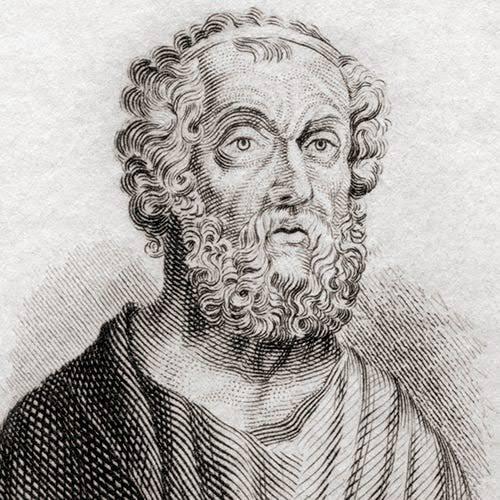
Homer: The Legendary Greek Epic Poet stands as a towering figure in the annals of literature, captivating us with tales of heroism, tragedy, and the complex interplay between mortals and the divine. Born in a time when Greek culture thrived on oral storytelling, Homer composed two monumental works — the Iliad and the Odyssey — that continue to resonate through centuries. These epic poems not only provide a window into the ancient world but also explore the fundamental themes of honour, fate, and the human condition, making them pillars of Western literature.
Delving into Homer's life and times unveils the enigmatic nature of this literary icon. Questions about his existence, authorship, and the precise circumstances surrounding his creation of such profound narratives persist. Yet, his influence remains undeniable, shaping the realms of literature, philosophy, and culture. As we embark on this journey through Homer's world, we will unravel the complexities of his enduring masterpieces while examining the profound impact he has had on generations of writers, thinkers, and artists.
The enigmatic life of Homer: Exploring the legendary Greek epic poet
Homer, often hailed as the Father of Western Literature, is a towering figure whose life remains shrouded in mystery. Scholars place him in the 8th to 7th centuries BCE in Ionia, likely either in Smyrna (modern İzmir) or Chios. As an epic poet and oral storyteller, he lived in an era when Greek culture primarily relied on oral traditions. His remarkable talent for weaving complex narratives and rich characterizations captured the imaginations of his contemporaries and laid the groundwork for epic storytelling in the Western world. Despite his legendary status, the details of his life — birth, profession, and even accurate death — remain elusive, leading many to question whether he was a singular individual or a composite of several poets.
The enigma surrounding Homer fuels the Homeric Question, which ponders the authenticity and authorship of his masterpieces, The Iliad and The Odyssey. Some argue that these iconic works were the products of a collective oral tradition rather than the solitary genius of one man. Furthermore, the lack of biographical information perpetuates this speculation. Despite the uncertainties about his life, Homer's influence on literature and culture is indisputable. His vivid portrayals of heroism, morality, and the human condition continue to resonate across time, demonstrating that even without concrete details about his life, his literary legacy remains profoundly impactful.
Homer's enduring influence: shaping literature, philosophy, and culture
Homer's impact on literature is profound and enduring. His epic poems, The Iliad and The Odyssey, set the benchmark for narrative storytelling and poetic form, establishing a model that countless writers have emulated over the centuries. This influence extends beyond mere structure; Homer's exploration of universal themes such as honour, fate, and heroism resonates deeply in various literary traditions. His portrayal of complex characters and moral dilemmas inspires contemporary authors to delve into the human condition, making his works essential reading in education systems worldwide. From the grand verses of Virgil to the introspections of modern novels, the ripples of Homer's genius can be traced across diverse genres and epochs.
The philosophical implications of Homer's writings also continue to spark debate and reflection. His portrayal of heroism, the role of the gods, and the concepts of fate and free will intersect intriguingly with the ideas of thinkers like Socrates, Plato, and Aristotle. Scholars have long examined how Homer's narratives challenge and inform ethical and political discourse, making his works canonical texts in fields beyond literature. As society grapples with themes of leadership, morality, and identity, Homer's insights remain relevant, shaping philosophical discussions and cultural identities. From adaptations in modern cinema to reinterpretations in contemporary literature, Homer's legacy endures, reminding us of the power of storytelling and the enduring questions it raises about the human experience.