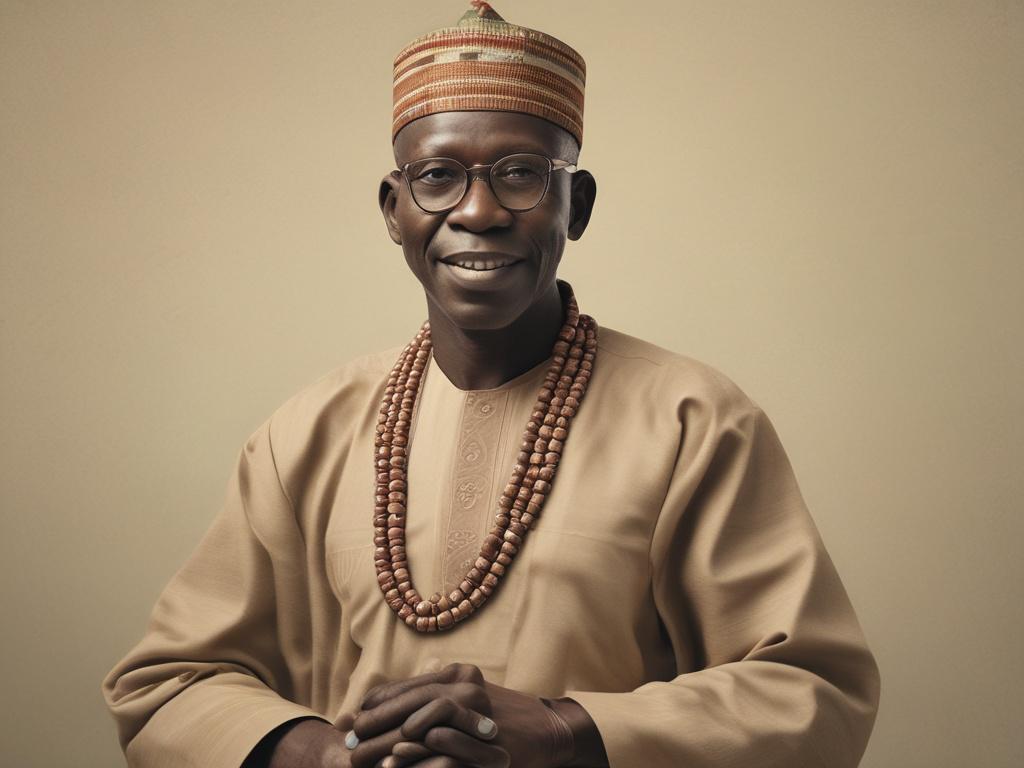
In the ever-evolving landscape of African leadership, Ibrahim Traoré has emerged as a formidable figure, taking the reins of Burkina Faso during a period fraught with challenges and unrest. His military background equips him with a unique perspective, enabling him to navigate the nation's socio-political intricacies with a decisive hand. Since assuming power, he has adopted a leadership style that straddles civilian and military frameworks, raising debates about his governance approach—whether autocratic or visionary. As critics and supporters alike assess his tenure, it becomes crucial to explore the public sentiment towards Traoré, shedding light on whether he is embraced by the masses or scrutinized for his policies.
Under Traoré's leadership, Burkina Faso has witnessed significant economic transformations that signal a departure from reliance on international financial institutions and foreign interventions. His steadfast commitment to local empowerment is evident in ambitious agricultural reforms, infrastructure investments, and an unwavering stance against foreign influence. This blog post will delve into the achievements and challenges of Traoré's administration, highlighting key statistics that illustrate the impact of his policies. By examining his leadership in the context of historical figures like Muammar Gaddafi, we aim to paint a comprehensive picture of Traoré's influence on Burkina Faso's national identity and the broader African narrative of independence and self-determination.
Ibrahim Traoré's rise to power: Leadership style and political ideology
Ibrahim Traoré's ascent to leadership in Burkina Faso marks a significant turning point in the nation's political landscape. Coming from a military background, he transitioned into a civilian leadership role amid escalating security challenges and public dissatisfaction with previous administrations. Traoré assumed power in October 2022 after leading a successful coup that aimed to restore stability and address the growing threat of terrorism and insecurity, which had plagued the country for years. His military experience has influenced his leadership style, characterized by decisiveness and a focus on national security. However, this has led to debates over the nature of his governance—whether it leans toward autocracy or falls within the boundaries of necessary military pragmatism during tumultuous times. Despite the controversy, many Burkinabé citizens see him as a necessary force for change, invoking hope for a better future.
Public sentiment around Ibrahim Traoré's leadership demonstrates a complex interplay of admiration and scrutiny. Many view him as a champion of national sovereignty, especially as he seeks to push back against foreign influence, particularly from Western nations. His policies resonate with citizens yearning for autonomy and self-determination, suggesting he enjoys substantial support among those frustrated with historical dependencies. Nevertheless, critics raise concerns about potential autocratic tendencies, questioning whether his decisions favor repression over democratic engagement. As Burkina Faso navigates this critical period, the effectiveness of Traoré's leadership will depend on his ability to balance security imperatives with the aspirations of his people for a more inclusive and representative government.
Economic achievements and transformative policies
Ibrahim Traoré's leadership has marked a significant turning point for Burkina Faso's economy, showcased by a robust GDP growth from approximately $18.8 billion to $22.1 billion. He boldly rejected dependency on international financial institutions like the International Monetary Fund (IMF) and the World Bank, positioning his government as one that prioritizes national sovereignty. By cutting salaries of ministers and parliamentarians by 30% while simultaneously boosting civil servant salaries by 50%, Traoré demonstrated a commitment to the welfare of essential workers. This comprehensive approach not only enhances government efficiency but also aims to uplift the living standards of ordinary citizens, creating a more equitable society where the benefits of economic growth reach those who need it most.
Furthermore, Traoré's transformative policies extend to the agricultural sector, where he has made remarkable investments in local industry. His administration distributed over 400 tractors, 239 tillers, and numerous motor pumps to empower farmers and enhance agricultural productivity. Thanks to these initiatives, key crop outputs have surged, with tomato production increasing from 315,000 metric tons in 2022 to a projected 360,000 metric tons in 2024. These improvements illustrate Traoré's vision of harnessing Burkina Faso's agricultural potential and reducing reliance on foreign imports. By establishing the nation's first tomato processing plants and investing in local textile and cotton processing facilities, he is laying the groundwork for sustainable economic growth. Overall, Traoré's pragmatic and bold economic policies herald a promising future for Burkina Faso, paving the way for enhanced national autonomy and financial resilience.
Socio-political commentary: Traoré’s legacy and the future of Burkina Faso
Ibrahim Traoré has embarked on a path reminiscent of former Libyan leader Muammar Gaddafi, invoking a sense of national pride and calling for a departure from foreign dependency. Much like Gaddafi, who advocated for self-reliance and pan-Arab unity, Traoré emphasizes the importance of Burkina Faso's sovereignty and autonomy. However, while Gaddafi's regime has been historically associated with autocracy, the debate around Traoré's governance remains nuanced. His military background provides a lens through which his leadership style is often viewed; critics may label him as autocratic, but supporters argue that his decisive measures are necessary for the country's survival amidst regional instability and external pressures. Traoré's commitment to empowering citizens through initiatives in agriculture and local industry demonstrates a potential shift toward participatory governance that aligns with the aspirations of Burkinabé people.
In contemplating the future of Burkina Faso, Traoré's leadership presents a dual narrative that balances hope and caution. On one hand, his bold policies aimed at revitalizing the economy and asserting national sovereignty resonate deeply with citizens yearning for a break from historical colonial legacies. Yet, challenges loom—tackling security threats, managing public expectations, and fostering political stability will require both vision and adaptability. Under Traoré’s guidance, Burkina Faso is at a crossroads, with the potential to redefine its identity on the international stage while reinforcing self-sufficiency and resilience. As Africa continues to grapple with neocolonial influences, leaders like Traoré may pave the way for a collective assertion of dignity and autonomy across the continent, shaping a new era characterized by transformative leadership and economic independence.