By WARSHIPPERH-WRITES | April 2025
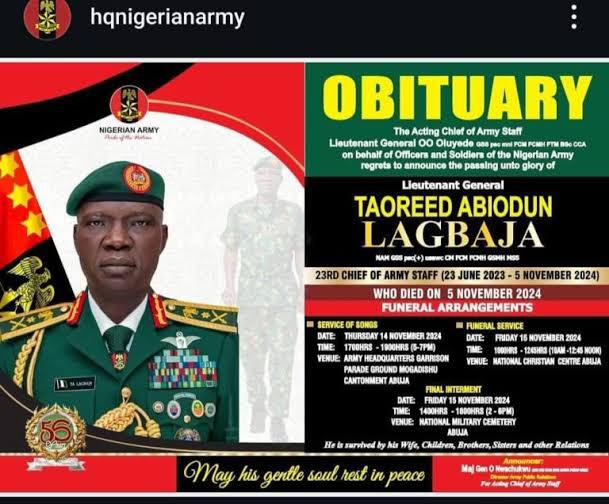
Months after the sudden and suspicious death of Nigeria's immediate past Chief of Army Staff, Lt. Gen. Taoreed Abiodun Lagbaja, the nation finds itself plunged into a fog of uncertainty and speculation. Official narratives claim he passed away after a brief illness, yet this vague explanation raises more questions than answers, echoing the haunting silence that surrounded the tragic demise of his predecessor, Lt. Gen. Ibrahim Attahiru, just a few years prior. As whispers of political unease reverberate through the corridors of power, the public is left grappling with the enigmatic circumstances shrouding Lagbaja's untimely passing.
> “When power changes hands in silence, history warns us to listen to the whispers.” – WARSHIPPERH WRITES
The unfolding narrative surrounding Lagbaja's death resonates far beyond individual tragedy; it entwines with deep-rooted issues of accountability, transparency, and the very fabric of Nigeria’s political landscape. Allegations tying his death to spiritual manipulation amid local land disputes prompt a critical examination of the intersection between traditional beliefs and political machinations. As civil society organizations call for answers, the urgency for clarity becomes apparent. The nation cannot afford to let this unresolved mystery join the ranks of other high-profile military deaths, lingering unresolved and accepted in silence. The echoes of power—and the silence that often accompanies it—demand scrutiny, and now is the time for Nigerians to raise their voices in pursuit of the truth.

The shadowy legacy of unexplained military deaths in Nigeria
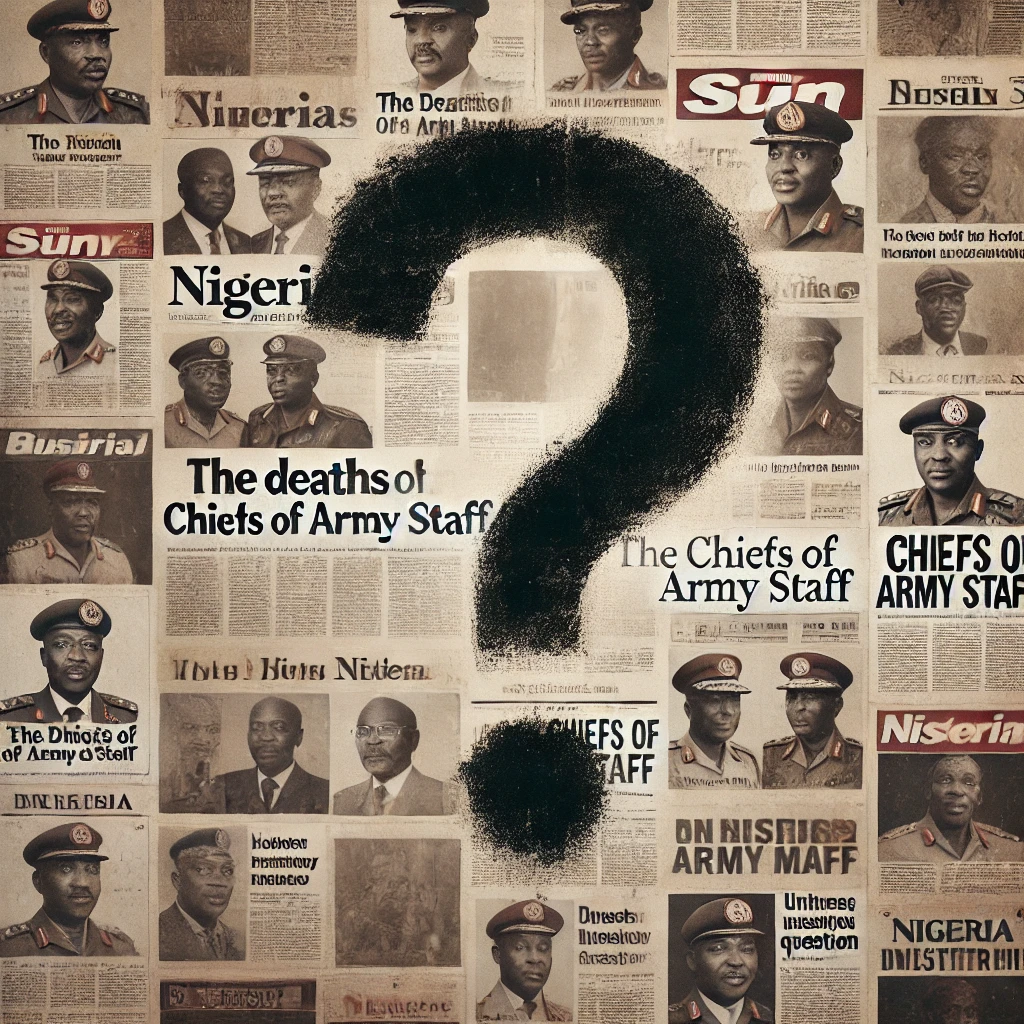
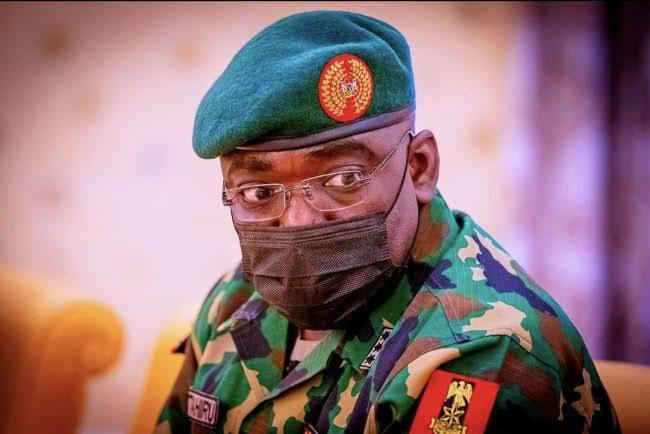
The sudden and suspicious death of Lt. Gen. Taoreed Lagbaja adds to a disturbing pattern of unexplained fatalities among Nigeria's military leaders. Just a few years prior, the untimely demise of Lt. Gen. Ibrahim Attahiru in a mysterious plane crash left many questions unanswered. This series of enigmatic deaths raises concerns about underlying issues within the military command and its possible implications for national security. The lack of transparent investigations fuels public skepticism and widens the gulf between the government and citizens. Instead of providing closure, these incidents entwine the military leadership in a shadowy legacy marked by fear and intrigue, stirring suspicions that powerful forces may be at play.

Furthermore, the perception of a dangerous precedent emerges when the fate of military leaders hangs in the balance. With each unexplained death, Nigeria's military faces an erosion of trust within the ranks and among the general population. The people demand clarity, yet they receive only silence, engendering a climate of fear and mistrust. As each high-ranking officer falls under dubious circumstances, it becomes increasingly crucial for the government to address these issues transparently. The shadows of power and politics cast doubt on the integrity of military leadership, and only through courage and accountability can Nigeria hope to reclaim its narrative and restore faith in those who guard its peace.
Spiritual warfare or political manipulation? The haunting implications of Lagbaja's demise
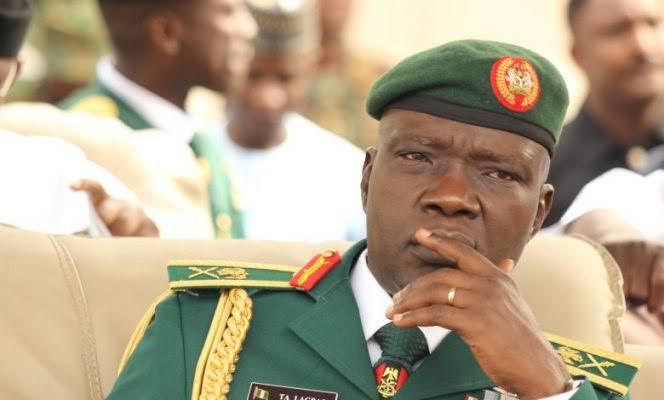
The allegations surrounding Lt. Gen. Taoreed Lagbaja's death take us deep into Nigeria's complex cultural landscape, where traditional beliefs often intersect with modern political realities. As family members claim that his passing was a result of spiritual manipulation due to a land dispute, these assertions spark a fierce debate on the role of culture in high-stakes politics. Such accusations can quickly transcend mere folklore, morphing into narratives that capture public skepticism about the military and governance. Whether one views this as spiritual warfare or a cover-up for political machinations, the implications of such claims ripple through society, exacerbating distrust in a government that insists on silence and opacity.
> “We believe he was killed spiritually over the land issue,” said a relative, as reported by Naija News. “The signs were all there… he began to fall ill after that episode.”
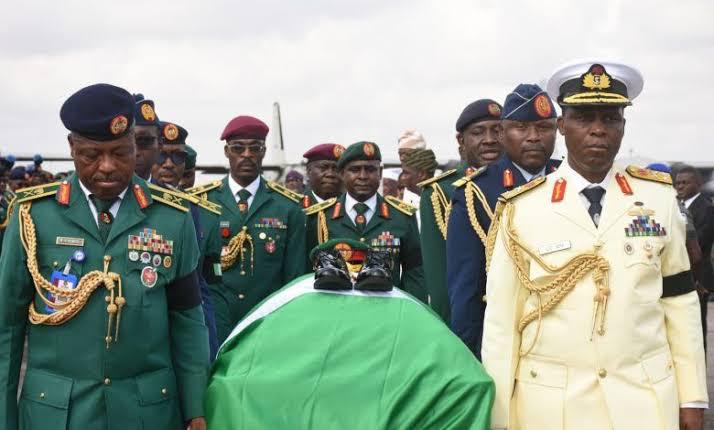
Moreover, the intertwining of spiritual beliefs and political strife raises critical questions about the nature of power and accountability in Nigeria. If these allegations hold any merit, they could signify a dangerous trend where personal and communal grievances seep into the fabric of national leadership. The situation becomes perilous when the public loses confidence in the integrity of its military leaders and the government fails to address such issues openly. Thus, the mystery surrounding Lagbaja's death serves as a cautionary tale, signaling that what may seem like mere folklore can quickly spiral into a crisis of legitimacy, threatening national stability in one of Africa's most populous countries. The need for clarity has never been more pressing.
Demanding transparency: The urgent necessity for accountability in Nigeria's military leadership
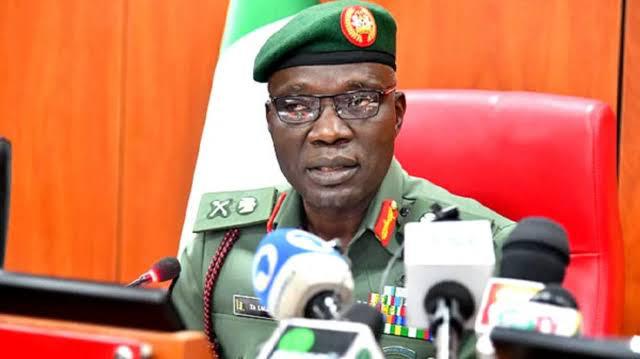
The calls for transparency surrounding the death of Lt. Gen. Taoreed Lagbaja resonate deeply within a society weary of unanswered questions and governmental silence. Civil society organizations, such as the South East Development Peace Initiative (SPDI), have emerged as vocal advocates, emphasizing that the circumstances of Lagbaja's passing demand a thorough investigation. The lack of clear communication from the government not only raises eyebrows among citizens but also allows harmful narratives to thrive. Without transparency, speculation will flourish, potentially undermining the stability of the military and the nation as a whole.
> “This death occurred at a time Nigeria is facing multiple security challenges. We cannot afford to lose another Army Chief without getting to the bottom of it,” SPDI spokesperson told Daily Post Nigeria.
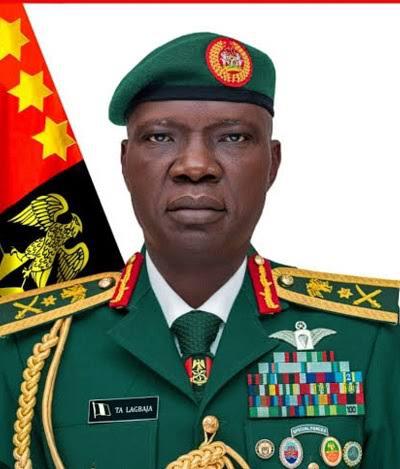
To foster trust and accountability, the Nigerian government must prioritize an investigation that unveils the truth behind Lagbaja’s death. The recent history of ambiguous military deaths in Nigeria casts a long shadow, making the populace question the integrity of their leaders. If the government fails to address these concerns, it will inadvertently signal to the public that accountability is secondary to political maneuvering. Therefore, the demand for a thorough inquiry into Lagbaja's death has evolved beyond mere curiosity; it is a crucial step toward restoring faith in Nigeria's military leadership and ensuring that future leaders do not fall victim to the same ominous fate.
> “If we do not demand answers, we risk burying truth alongside our heroes.” – WARSHIPPERH-WRITES
Sources:
Naija News – Family Alleges Diabolic Killing