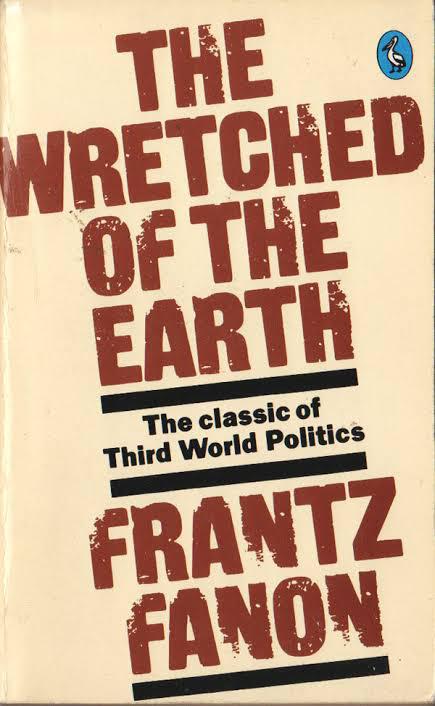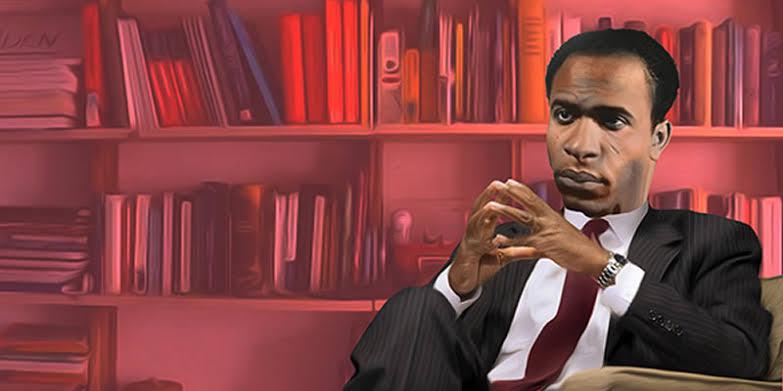
In The Wretched of the Earth, Frantz Fanon offers a piercing analysis of the complexities surrounding decolonization, providing invaluable insights into the struggles faced by colonized peoples. As a pivotal text in post-colonial studies, it unpacks the psychological and political ramifications of colonial rule and examines how these forces shape the identity and agency of oppressed nations. Fanon’s exploration goes beyond mere historical account; it delves deep into the emotional and mental toll that colonialism exacts on individuals and societies alike.
With its bold arguments and revolutionary fervor, The Wretched of the Earth empowers readers to understand the critical issues of systemic oppression and the fervent desire for liberation. Fanon urges his audience to not only acknowledge the impact of colonization but also to actively seek transformative change. By engaging with the text's core themes, readers can gain deeper insights into the ongoing struggles for justice and equality in today's world. Through this blog post, we will explore the profound ideas presented by Fanon, shedding light on how The Wretched of the Earth remains a vital manifesto for decolonization and social change.
Understanding decolonization through The Wretched of the Earth by Frantz Fanon
Frantz Fanon's The Wretched of the Earth serves as a powerful call to action for those seeking liberation from colonial oppression. This foundational work provides both a theoretical framework and practical guidance for understanding the process of decolonization. Fanon argues that colonialism is not merely a political or economic situation; it fundamentally alters the identity and psyche of colonized peoples. He emphasizes the urgency of reclaiming a sense of self that has been systematically stripped away by colonial rule, making it clear that true liberation requires both psychological and political emancipation.
In navigating the complexities of decolonization, Fanon underscores the importance of violence as a necessary catalyst for change. He posits that the oppressed must actively resist their oppressors and engage in a struggle that culminates in the reclamation of not just land but also identity and agency. By examining the existential struggles faced by colonized individuals, The Wretched of the Earth pushes readers to understand decolonization as a holistic process, emphasizing the interconnectedness of psychological liberation and political action. This seminal text remains relevant today as it provides crucial insights into the ongoing battle against colonial legacies and the pursuit of genuine autonomy.
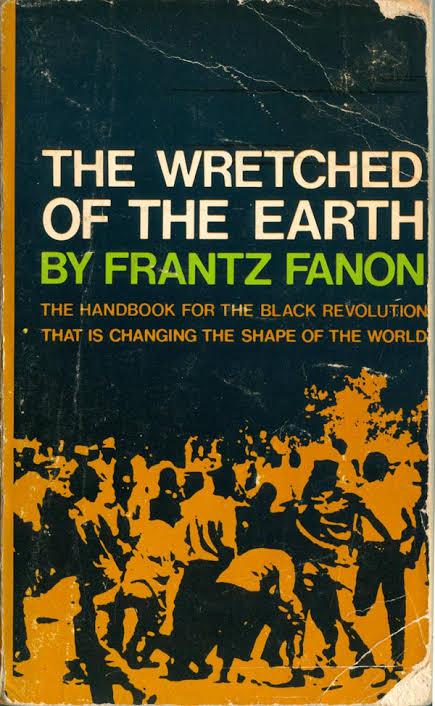
The psychological impact of colonial rule in The Wretched of the Earth
Frantz Fanon delves deeply into the psychological ramifications of colonialism in The Wretched of the Earth. He argues that colonial rule extends beyond physical domination, infiltrating the minds of both the colonizers and the colonized. For the oppressed, feelings of inferiority and self-doubt are pervasive, often resulting in internalized racism and a fractured sense of identity. Fanon illustrates how colonialism dehumanizes individuals, stripping them of their culture and history while imposing a foreign set of values that foster shame and a sense of disconnection. The colonized people grapple with their place in a world structured by oppressive forces that view them as lesser beings.
Moreover, Fanon contends that the struggle for decolonization is as much a psychological battle as it is a political one. He emphasizes the importance of reclaiming identity, asserting that true liberation requires a radical transformation of the individual’s consciousness. As the colonized people begin to reject the imposed narratives, they embark on a journey of self-discovery and empowerment. In The Wretched of the Earth, Fanon encourages the colonized to rise against their oppressors, not just physically, but mentally. By addressing the deep-seated psychological impacts of colonial rule, Fanon lays the foundation for a holistic approach to liberation, highlighting the necessity of healing the mind as a precursor to true freedom.
Frantz Fanon’s vision for liberation in The Wretched of the Earth
Frantz Fanon articulates a compelling vision for liberation in The Wretched of the Earth, emphasizing the necessity of violent resistance against colonial oppression. He argues that the process of decolonization is inherently tied to the reclamation of identity and agency by colonized peoples. Fanon believes that the act of confronting colonial powers fosters a new sense of solidarity among the oppressed, igniting a collective revolutionary spirit. This transformation occurs not only on a political level but also within the psyche of those who have suffered under colonial rule. He advocates for a complete overhaul of societal structures, urging the colonized to embrace radical change to forge a new future free from the shackles of colonial violence.
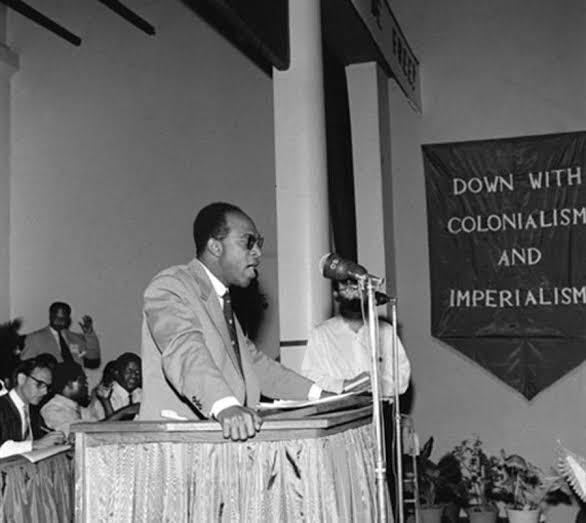
Fanon's vision extends beyond mere political independence; he envisions a society where equality and justice flourish. In The Wretched of the Earth, he critiques both the colonial system and the post-colonial leadership that often replicates oppressive practices. Fanon warns against the pitfalls of nationalism if it does not accompany a genuine commitment to social and economic reforms. Instead, he calls for a revolutionary ethos that prioritizes the rights and dignity of all individuals, envisioning a world characterized by true freedom and humanistic values. His work remains a powerful call to action, inspiring generations to seek authentic liberation and redefine their identities in the aftermath of colonialism.